
P4™: Postpartum Depression Prevention
Most postpartum care waits for symptoms, then reacts. P4 asks a more useful question earlier: which biological pressures are converging, which are modifiable, and how does the care team stay close enough to respond before suffering compounds?
Postpartum depression is not a failure of character. It is a change in the maternal brain that deserves intelligent, early support - built for you, not reduced to a score.

"The postpartum transition is biological, emotional, relational, and time-sensitive. We don't reduce a mother to a score - we build a fuller picture of what her brain and body may need next."

.svg)
Not a Six-Week Wait

The highest-impact transition begins immediately after delivery. Preparing in advance lets your family and clinical team move sooner, not later.
Not "Just Hormones"

Hormones interact with sleep, inflammation, iron, energy, stress physiology, bonding circuits, and neuroplasticity. The full picture is what guides the plan.
Not a Universal Kit

What P4 includes is selected by your history, labs, delivery context, breastfeeding status, medications, consent, and response - never a one-size template.
The Biological Drivers
1
Hormone Withdrawal
Estradiol and progesterone-derived allopregnanolone drop rapidly after delivery, which can destabilize mood, anxiety, and sleep.
2
The GABA-A Transition
The brain adapted to pregnancy's neuroactive steroids; afterward, inhibitory tone and stress tolerance may not catch up right away.
3
Oxytocin & Bonding
Labor, infant contact, anxiety, and sleep all shape the oxytocin system, bonding, and the early relationship window.
4
Stress-System Overload
Sleep loss, pain, and demanding recovery can keep the HPA axis activated, amplifying anxiety, intrusive thoughts, and exhaustion.
5
Inflammation & Depletion
Delivery can raise inflammatory demand while drawing down iron, nutrients, and cellular energy - correctable biological friction, not just psychology.
6
Neuroplasticity & Sleep
The postpartum brain needs sleep architecture and energy to adapt. Addressing foundations first makes later decisions more precise.
How P4 Works
.png)
Potential Treatment Modalities
Measurement Matters
Symptoms are central - but they are not the only signal. When indicated, Brain Gauge and WAVi EEG are used together as a paired dual-baseline. Alongside symptom scores, sleep, function, labs, and clinical conversation, they help the team see whether your trajectory is actually changing.

Weeks

Postpartum
The Support Network
Notice
Changes in sleep, mood, anxiety, bonding, function, or her ability to feel like herself.
Reinforce
The support plan already built by the family and clinical team - without diagnosing or prescribing.
Communicate
Share concerns promptly with the treating clinician and keep the mother, family, OB, and psychiatric team connected.
Escalate
If safety or rapid decline is a concern, use the emergency plan and urgent pathways already in place.
Who May Consider P4
P4 may be a fit for mothers whose history suggests the postpartum transition deserves a plan:

A prior postpartum mood or anxiety disorder

PMDD, severe PMS, or sensitivity to hormonal shifts

Depression, anxiety, OCD, trauma, intrusive thoughts, or sleep vulnerability

Known iron, thyroid, metabolic, inflammatory, or mitochondrial concerns
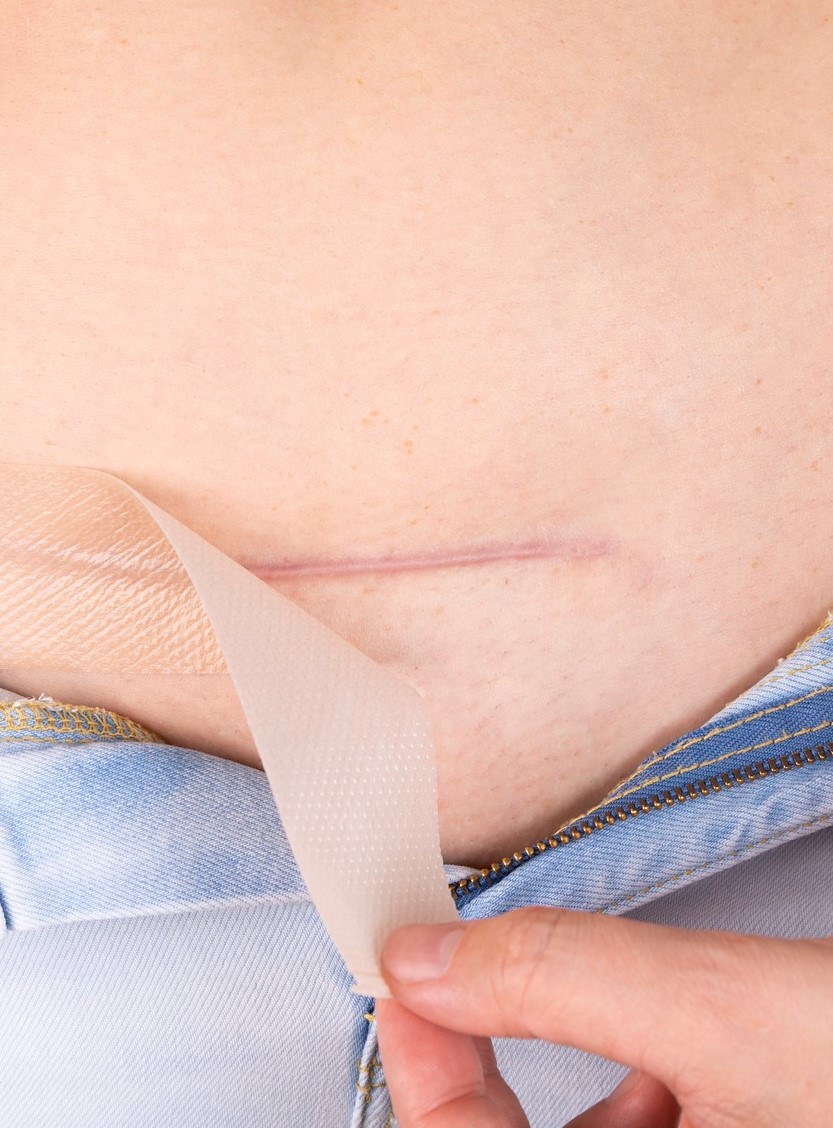
A planned C-section or concern about the biological demands of surgical recovery
F.A.Q.
P4 is a proactive postpartum mental-health pathway at Peak Body and Mind in Reno, NV. It prepares mothers and their care teams before delivery, builds a biological baseline, and provides close, individualized follow-up through the early postpartum window.
Standard care often says wait, watch, and report back. P4 identifies modifiable biological pressures early and keeps the care team close enough to respond before symptoms compound.
Preparation begins around 36-38 weeks with assessment, planning, and baseline testing. Active treatment begins postpartum, once your delivery update is reviewed and coordinated with your OB team.
Breastfeeding status is factored into every decision. What is appropriate depends on your medications, medical history, consent, and the evolving postpartum picture, discussed with you before anything begins.
Mothers with a prior postpartum mood or anxiety disorder, PMDD or hormone sensitivity, existing depression/anxiety/OCD/trauma, known iron/thyroid/metabolic concerns, or a planned C-section may benefit most. Candidacy is discussed individually.
No. P4 is psychiatric prevention and care, not obstetric care - pregnancy and delivery stay with your OB team, and P4 coordinates with them.
Through your symptoms, sleep, and function, plus labs and - when indicated - Brain Gauge and WAVi EEG are used together, all compared over time so the team can see whether your trajectory is changing.
Thoughts of harming yourself or your baby, or signs of postpartum psychosis (hallucinations or delusions), are emergencies. Call 988 or 911, or go to the nearest emergency room immediately.
Important Boundaries
P4 is intended to reduce risk and strengthen postpartum resilience. It cannot guarantee the prevention of postpartum depression or another perinatal mood disorder. Breastfeeding status, medication interactions, medical history, consent, and the evolving postpartum picture all shape what is appropriate.

Take maternal mental health seriously - early
The goal isn't to medicalize motherhood. It's to give the postpartum transition the same careful, proactive planning we give any high-stakes moment. If you're considering a proactive postpartum plan - for yourself or a family you support - let's talk about whether P4 fits your history, delivery plan, and goals.
.png)
Comprehensive Clinical Review

Personalized Treatment Roadmap

Evidence-Based Recommendations
This page is educational and is not a diagnosis or a substitute for individualized medical advice. If you are in crisis, call or text 988, call 911, or go to your nearest emergency department.