
Neuro Gamma: Light-Based Support for a Tired Brain
Chronic stress, neuroinflammation, and poor sleep don't just affect mood, they affect the brain's actual energy supply. When brain cells can't produce enough cellular energy, the result is brain fog, poor focus, sluggish recovery, and a ceiling on how much other treatment can accomplish.
This is light-based cellular support, not a stimulant and not a stand-alone treatment. Neuro Gamma is a confirmed in-office device woven into our anxiety, treatment-resistant depression, and cognitive optimization protocols, layered into existing infusion sessions with zero added chair time.
"Neuro Gamma's action is best understood as cellular energy support, not neural stimulation in the electrical-shock sense. It supports the cellular fuel supply that has to be adequate before focus, mood stability, and neuroplasticity work can actually take hold."

.svg)
What It Is
810 nm Near-Infrared Light at 40 Hz
An 810 nanometer near-infrared light delivered through a transcranial helmet and an intranasal diode, combined with a 40 Hz pulse pattern. The wavelength is absorbed by cytochrome c oxidase inside brain-cell mitochondria, supporting ATP production while reducing oxidative stress; the 40 Hz pulse supports gamma-frequency activity tied to attention and working memory.
How We Use It

Layered Into a Session You're Already Having
Neuro Gamma is worn during the first 20 minutes of select in-office infusion sessions, timed to overlap with the treatment already underway, so there is no separate appointment and no added chair time. We track response with objective testing (cortical processing and EEG), not subjective impression alone.
Who It's For
When the Groundwork Is Already in Place
Patients with generalized anxiety (especially rumination, racing thoughts, or reduced processing efficiency on testing), major depression including treatment-resistant depression, and cognitive decline, brain fog, or executive-function difficulty. It is not the first intervention for any of these; it is layered in once foundational cellular-energy and stress-hormone work is stable.
The Mechanism, In Detail
Neuro Gamma works through several distinct, independently documented mechanisms, all pointing at the same goal: restoring the brain's cellular energy supply.
1
Cytochrome C Oxidase Activation
Near-infrared light at 810 nm is absorbed directly by the copper and heme centers of cytochrome c oxidase, the mitochondria's terminal energy-producing enzyme, augmenting electron transport and ATP output while reducing oxidative byproducts.
2
Cerebral Blood Flow
Increased cellular energy demand drives a matching increase in blood flow to the treated regions within 10 to 20 minutes, supporting nutrient delivery and metabolic waste clearance in that same window.
3
Gamma-Band Network Support
The 40 Hz pulse frequency is designed to support coordinated gamma-band activity across brain networks, relevant to attention, working memory, and the brain's ability to organize itself for focused tasks.
4
Microglial Clearance Support
In foundational animal research, 40 Hz gamma-frequency light supported clearance activity by microglia, the brain's resident immune cells, and reduced a protein associated with neurodegeneration. This is animal-model evidence, not yet shown directly in human fog or fatigue, but it is why gamma-frequency stimulation specifically is used.
5
BDNF & Retrograde Signaling
The same cytochrome c oxidase mechanism has been linked to downstream elevation of BDNF, the growth factor central to the brain's capacity for lasting, positive structural change.
6
Tissue Penetration
At 810 nm, near-infrared light reaches cortical neurons several centimeters deep through the scalp, allowing effect at the level of actual brain tissue, distinct from the shallower-penetration visible red light used in general-wellness devices.
How A Neuro Gamma Course Works
Where Neuro Gamma Fits Alongside Our Other Recovery Tools
Neuro Gamma is one of three complementary, non-pharmacological technologies we use in-office, each targeting a genuinely different mechanism. We don't stack them arbitrarily; each is matched to what your presentation and objective testing indicate you actually need.
Photobiomodulation (Neuro Gamma)
Near-infrared light supporting brain-cell energy metabolism and gamma-network function.
PEMF
Sleep architecture and parasympathetic/autonomic recovery (see our PEMF page).
Vagal Nerve Stimulation
Direct autonomic and anti-inflammatory support through the vagus nerve. (see our Vagal Nerve Stimulation page)
Within a plan, Neuro Gamma is timed to run during other sessions already targeting neuroinflammation or nutrient repletion, reserved for patients whose foundational work is stable, and tracked with the same objective testing as the rest of your care.
The Evidence
Generalized anxiety
An open-label pilot found a significant reduction in anxiety symptoms after 8 weeks of daily transcranial near-infrared light (Maiello 2019).
Major depression
A randomized trial found that adding transcranial near-infrared light to ongoing therapy produced a significantly greater reduction in depression scores (56 percent) than therapy plus sham (43 percent) (Barrett 2025).
Cognitive decline / dementia
A small case series found significant improvement on standard cognitive tests (MMSE, ADAS-cog) after 12 weeks, with decline resuming once treatment stopped (Saltmarche 2017).
EEG mechanism
A randomized, sham-controlled, double-blind trial of this same 810 nm / 40 Hz device found a single session significantly increased alpha, beta, and gamma power and changed network connectivity versus sham (Zomorrodi 2019).
What This Is Not
Not a stand-alone treatment for anxiety, depression, or cognitive decline.
Not a substitute for therapy, medication, or the rest of your treatment plan.
Not a stimulant in the caffeine or medication sense, and not something that produces a dramatic effect after a single session.
Not appropriate for patients with certain light-sensitivity conditions or a history of photosensitive seizures; this is screened during your evaluation.
F.A.Q.
No. Those devices are typically designed for skin or superficial tissue, using visible red light at lower, non-specific doses that penetrate only a few millimeters. Our system is a purpose-built clinical device using a specific near-infrared wavelength (810 nm) and pulse frequency (40 Hz), delivered transcranially and intranasally, engineered to reach brain tissue and support brain-cell energy metabolism.
Most patients feel nothing more than mild warmth, if anything at all. It is not painful or uncomfortable.
Typically 20 minutes, worn during the first part of an infusion session you are already having, so it doesn't add separate appointment time.
Some patients notice a subjective difference in mental clarity within a few sessions. Objective cognitive and EEG changes are tracked over a longer course of treatment, consistent with the multi-week timelines in the published cognitive and anxiety studies.
This device is used in-office as part of a supervised session, timed to your infusion schedule. Ask your provider whether a take-home option is appropriate for your specific plan.
It is referenced across our anxiety, treatment-resistant depression, and cognitive optimization (Peak 90) protocols, always introduced once your specific presentation and testing indicate you are ready for it, not applied identically to every patient from day one.
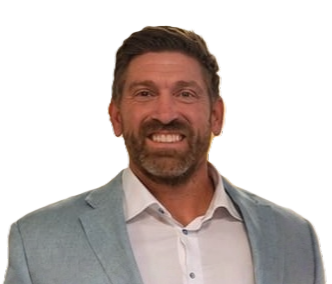
Josh Swigart, APRN, PMHNP-BC. Measurement-informed, biology-first psychiatry.
Josh Swigart, APRN, PMHNP-BC. Regenerative Psychiatry, Neuroplasticity, Cognitive Performance Medicine. KRI Fellow, A4M ABAAHP Fellow-in-Training, Triple Certified Peptide Therapy, Advanced IVNT Certified, Double Certified Neural Therapy, Koniver Method Clinician.
Support the brain's energy supply, measured the same rigorous way
If brain fog, poor focus, or sluggish recovery is part of your picture, Neuro Gamma may be one supportive layer worth evaluating, once the underlying groundwork is in place. Which recovery tools fit you, if any, comes out of your intake and objective testing, not a default applied to everyone.

References
This page is for general education and is not a diagnosis, a substitute for individualized medical advice, or a promise of any specific result. Neuro Gamma is used as one supportive layer within an individualized plan, after screening, and is monitored with objective testing over time. If you are in crisis, call or text 988, call 911, or go to the nearest emergency department.